Street ArtDocumentationArchive
Street Art Goes Digital: Archiving and Exhibiting Your Work
2/4/20269 min
## The Preservation Challenge for Street Artists
Street art exists in tension with permanence. Murals are painted over, walls demolished, weather erodes careful work, and legal complications can require rapid removal. This ephemeral nature creates significant challenges for artists wanting to build lasting portfolios from transient work.
Digital archiving and virtual exhibition provide essential solutions. Documentation preserves work that no longer exists physically. Virtual galleries create permanent homes for art whose physical presence was always temporary.
## Documenting Street Work Effectively
Documentation quality determines whether your archive accurately represents your work. Street art documentation faces unique challenges that studio work doesn't encounter.
Timing matters significantly. Document work as soon as possible after completion—before weathering, vandalism, or removal can degrade it. Natural light changes throughout the day; plan documentation timing to capture optimal lighting conditions.
Capture multiple perspectives. Wide shots showing environmental context, standard documentation shots capturing the complete work, and detail shots revealing technique and texture create comprehensive records.
Include human scale references. Street art's impact often depends on size. A figure or recognizable object in at least one shot helps viewers understand the work's actual scale.
## Capturing Context and Environment
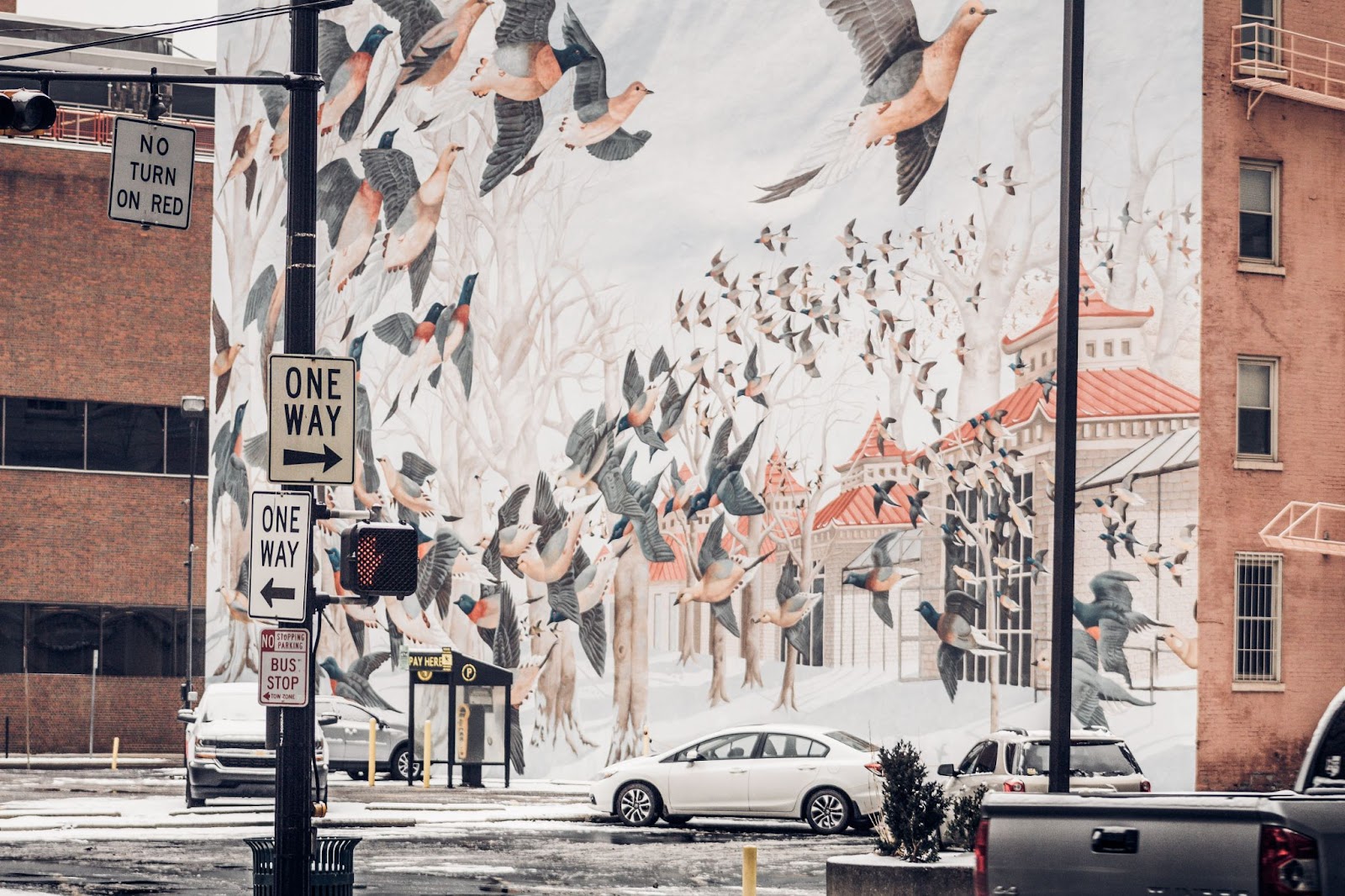
Street art gains meaning from location. The neighborhood, the building, the cultural moment all contribute to the work's significance. Documentation should capture this context alongside the art itself.
Photograph the surrounding environment. What does the street look like? What's across from the wall? How does the work interact with its setting? These context shots help virtual gallery visitors understand the original experience.
Document changes over time when possible. How the work ages, how the neighborhood responds, how other artists interact with your piece—this evolution is part of street art's story.
## Video Documentation for Street Art
Video can capture what still photography cannot—the experience of encountering street work in real space, the scale that photos flatten, the environmental sounds and atmosphere of the location.
Slow, steady pans across murals reveal details and convey scale. Walking approach shots simulate the experience of discovering the work. Drone footage, where legal, captures large-scale pieces in environmental context.
Consider time-lapse documentation of the creation process. This footage provides compelling content for promotion while documenting your technique and approach.
## Building Your Street Art Archive
Systematic archiving creates lasting records from ephemeral work. Develop consistent practices for organizing and preserving documentation.
Organize by project, date, or location—whatever system makes retrieval easy and comprehensive. Include metadata with each piece: title, location, date, dimensions, materials, and any relevant context.
Maintain backup copies in multiple locations. Digital archives are only valuable if they survive. Cloud storage, external drives, and redundant systems protect against loss.
Preserve original files at highest quality. You can always create compressed versions for specific uses, but you can't restore quality lost to compression.
## Creating Virtual Exhibitions from Street Work
Virtual galleries transform documentation into exhibition experiences. Rather than simple archives, your virtual gallery can present street work with curatorial intention that creates meaningful viewer journeys.
Organize exhibitions thematically rather than chronologically. Group work by project, technique, or concept to create coherent presentations that help viewers understand your practice.
Include contextual materials that situate the work. Maps, neighborhood descriptions, and historical context help virtual visitors understand what physical viewers would have absorbed from being present.
Consider how the virtual format might offer experiences the street context couldn't—closer inspection of details, comprehensive access to related work, background information that wasn't available to passersby.
## Legal and Ethical Considerations
Street art occupies complex legal territory. Your digital archive and virtual exhibitions should navigate these considerations thoughtfully.
Be mindful about documenting locations where you worked without authorization. While documentation preserves the work, excessive location specificity could create complications.
Respect property owners and communities where you've worked. If asked to remove location information or attribution, consider whether compliance serves your interests and relationships.
Consider how you frame unauthorized work versus commissioned projects. Your presentation choices communicate your relationship to legal and ethical questions surrounding street art.
## Connecting Archive to Career Development
Your digital archive serves career purposes beyond simple preservation. Documented street work demonstrates productivity, range, and recognition in contexts where the original work cannot be viewed.
Use archive materials for applications—residencies, grants, gallery submissions. Comprehensive documentation legitimizes work that might otherwise seem undocumented or unverifiable.
Your virtual gallery introduces collectors and buyers to your street aesthetic. Those who appreciate your public work may be interested in studio pieces, prints, or commissioned projects.
## The Lasting Value of Documentation
Well-documented street art gains historical significance over time. Work that seemed temporary becomes permanent record of specific moments, places, and cultural conditions.
Future researchers, curators, and historians may find your archive valuable long after the original work disappeared. Documentation that seems routine now may become important historical record.
Treat your archive as artistic legacy. The care you invest in documentation honors the work you created and ensures its survival regardless of what happens to the physical pieces.
Street art exists in tension with permanence. Murals are painted over, walls demolished, weather erodes careful work, and legal complications can require rapid removal. This ephemeral nature creates significant challenges for artists wanting to build lasting portfolios from transient work.
Digital archiving and virtual exhibition provide essential solutions. Documentation preserves work that no longer exists physically. Virtual galleries create permanent homes for art whose physical presence was always temporary.
## Documenting Street Work Effectively
Documentation quality determines whether your archive accurately represents your work. Street art documentation faces unique challenges that studio work doesn't encounter.
Timing matters significantly. Document work as soon as possible after completion—before weathering, vandalism, or removal can degrade it. Natural light changes throughout the day; plan documentation timing to capture optimal lighting conditions.
Capture multiple perspectives. Wide shots showing environmental context, standard documentation shots capturing the complete work, and detail shots revealing technique and texture create comprehensive records.
Include human scale references. Street art's impact often depends on size. A figure or recognizable object in at least one shot helps viewers understand the work's actual scale.
## Capturing Context and Environment
Street art gains meaning from location. The neighborhood, the building, the cultural moment all contribute to the work's significance. Documentation should capture this context alongside the art itself.
Photograph the surrounding environment. What does the street look like? What's across from the wall? How does the work interact with its setting? These context shots help virtual gallery visitors understand the original experience.
Document changes over time when possible. How the work ages, how the neighborhood responds, how other artists interact with your piece—this evolution is part of street art's story.
## Video Documentation for Street Art
Video can capture what still photography cannot—the experience of encountering street work in real space, the scale that photos flatten, the environmental sounds and atmosphere of the location.
Slow, steady pans across murals reveal details and convey scale. Walking approach shots simulate the experience of discovering the work. Drone footage, where legal, captures large-scale pieces in environmental context.
Consider time-lapse documentation of the creation process. This footage provides compelling content for promotion while documenting your technique and approach.
## Building Your Street Art Archive
Systematic archiving creates lasting records from ephemeral work. Develop consistent practices for organizing and preserving documentation.
Organize by project, date, or location—whatever system makes retrieval easy and comprehensive. Include metadata with each piece: title, location, date, dimensions, materials, and any relevant context.
Maintain backup copies in multiple locations. Digital archives are only valuable if they survive. Cloud storage, external drives, and redundant systems protect against loss.
Preserve original files at highest quality. You can always create compressed versions for specific uses, but you can't restore quality lost to compression.
## Creating Virtual Exhibitions from Street Work
Virtual galleries transform documentation into exhibition experiences. Rather than simple archives, your virtual gallery can present street work with curatorial intention that creates meaningful viewer journeys.
Organize exhibitions thematically rather than chronologically. Group work by project, technique, or concept to create coherent presentations that help viewers understand your practice.
Include contextual materials that situate the work. Maps, neighborhood descriptions, and historical context help virtual visitors understand what physical viewers would have absorbed from being present.
Consider how the virtual format might offer experiences the street context couldn't—closer inspection of details, comprehensive access to related work, background information that wasn't available to passersby.
## Legal and Ethical Considerations
Street art occupies complex legal territory. Your digital archive and virtual exhibitions should navigate these considerations thoughtfully.
Be mindful about documenting locations where you worked without authorization. While documentation preserves the work, excessive location specificity could create complications.
Respect property owners and communities where you've worked. If asked to remove location information or attribution, consider whether compliance serves your interests and relationships.
Consider how you frame unauthorized work versus commissioned projects. Your presentation choices communicate your relationship to legal and ethical questions surrounding street art.
## Connecting Archive to Career Development
Your digital archive serves career purposes beyond simple preservation. Documented street work demonstrates productivity, range, and recognition in contexts where the original work cannot be viewed.
Use archive materials for applications—residencies, grants, gallery submissions. Comprehensive documentation legitimizes work that might otherwise seem undocumented or unverifiable.
Your virtual gallery introduces collectors and buyers to your street aesthetic. Those who appreciate your public work may be interested in studio pieces, prints, or commissioned projects.
## The Lasting Value of Documentation
Well-documented street art gains historical significance over time. Work that seemed temporary becomes permanent record of specific moments, places, and cultural conditions.
Future researchers, curators, and historians may find your archive valuable long after the original work disappeared. Documentation that seems routine now may become important historical record.
Treat your archive as artistic legacy. The care you invest in documentation honors the work you created and ensures its survival regardless of what happens to the physical pieces.